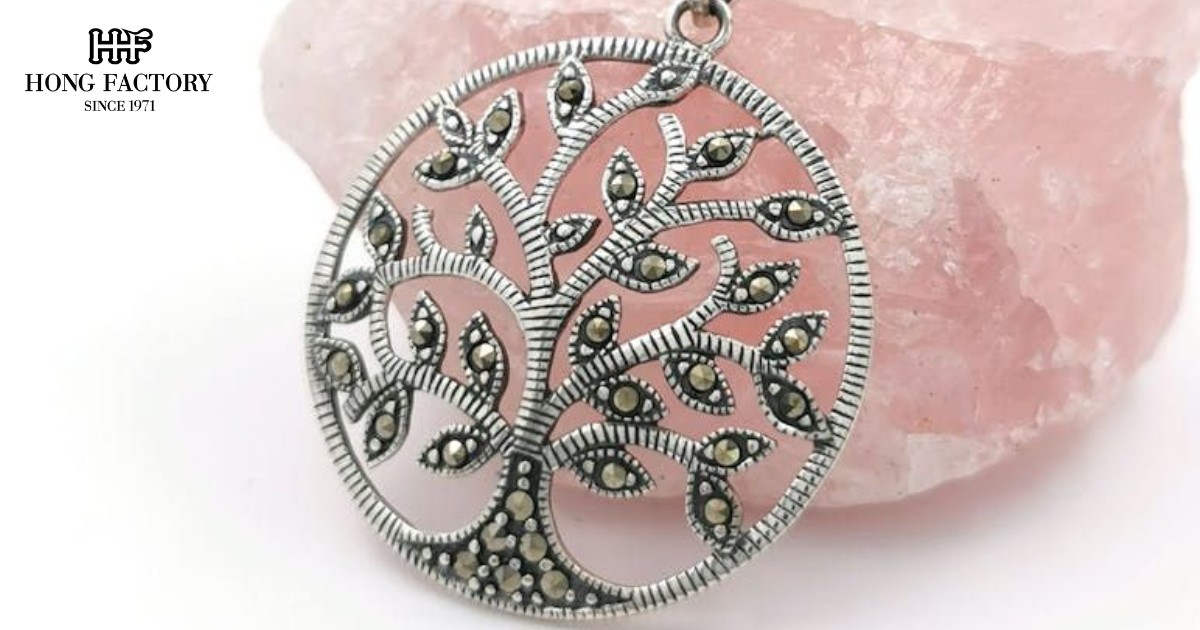
As global consumers become increasingly eco-conscious, the jewelry industry is evolving to meet new environmental standards. Marcasite jewelry, known for its vintage charm and detailed craftsmanship, is part of this shift toward sustainability. This chapter explores the environmental impact of marcasite jewelry, how marcasite and silver are sourced, the footprint of its production methods, and the industry’s move toward more sustainable practices. sterling silver meaning
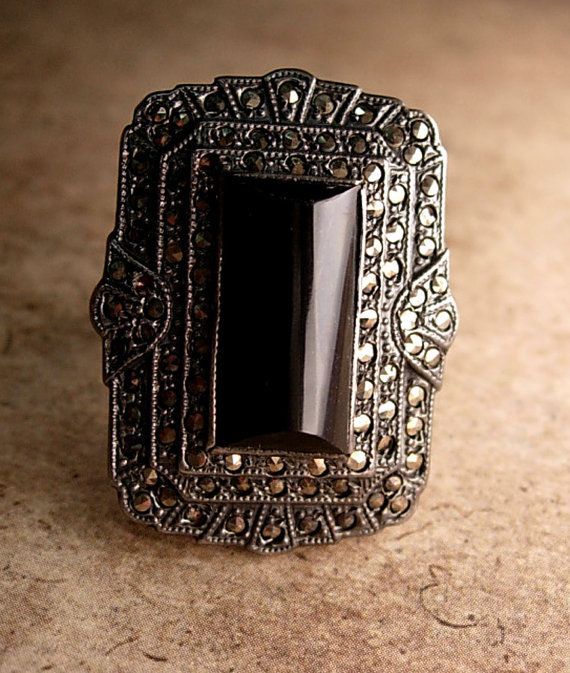
Understanding the Materials: Marcasite and Sterling Silver
Marcasite jewelry is primarily made from two materials:
- Marcasite (pyrite) stones
- Sterling silver settings
Understanding their environmental impact helps us evaluate the sustainability of the entire production process.
1. Marcasite (Pyrite) Mining
Marcasite used in jewelry is typically derived from pyrite.
Environmental considerations:
- Pyrite mining is generally low-impact compared to gemstone mining
- Extraction often occurs as a byproduct of other mineral operations
- Minimal chemical processing is required for jewelry-grade pyrite
This gives marcasite a smaller ecological footprint than many precious gemstones.
2. Sterling Silver Production
Silver mining and refining can have significant environmental implications.
Concerns:
- Land disruption from mining
- Energy-intensive refining process
- Water usage and potential contamination
However, silver is one of the most recyclable materials in the jewelry industry.
Production Process and Its Environmental Footprint
Marcasite jewelry manufacturing includes several stages.
1. Silver Crafting
Shaping and casting silver is energy demanding.
2. Hand-Setting Marcasite Stones
This process is environmentally friendly because:
- It is done manually
- Requires no heavy machinery
- Produces minimal waste
3. Oxidation and Finishing
Oxidation uses mild chemicals to darken silver for contrast.
Environmental concerns:
- Chemical disposal must be handled responsibly
- Workshops with poor waste management may cause pollution
Positive Sustainability Factors of Marcasite Jewelry
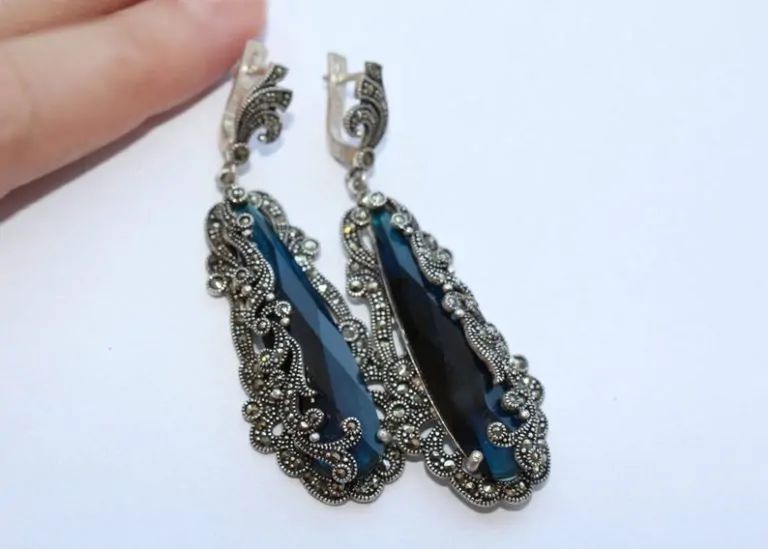
Marcasite jewelry offers several inherent environmental advantages.
1. Long-Lasting Materials
Sterling silver and marcasite are durable.
- Jewelry lasts decades or centuries when cared for
- Reduces waste in long-term consumption
2. Reparability
Marcasite jewelry can be repaired easily.
- Stones can be replaced
- Silver can be restored
This extends product life cycles.
3. High Recyclability
Sterling silver is 100% recyclable.
- Can be melted and reused indefinitely
- Reduces the need for new mining
4. Low Energy Requirements for Hand Setting
Traditional hand-setting techniques use minimal energy compared to machine production.
5. Small-Scale Artisan Production
Many marcasite pieces are made in:
- Small workshops
- Artisan studios
These typically have a smaller environmental footprint than mass-production factories.
Environmental Challenges in Marcasite Jewelry Production
Despite its eco-friendly advantages, some challenges remain.
1. Silver Mining Impact
Mining still presents environmental risks.
2. Waste From Mass Production
Large factories may produce:
- Excess silver scraps
- Chemical waste
- Packaging waste
3. Transport and Global Shipping
International shipping produces carbon emissions.
4. Lack of Eco-Certification
Unlike diamonds or gold, marcasite rarely comes with environmental certifications.
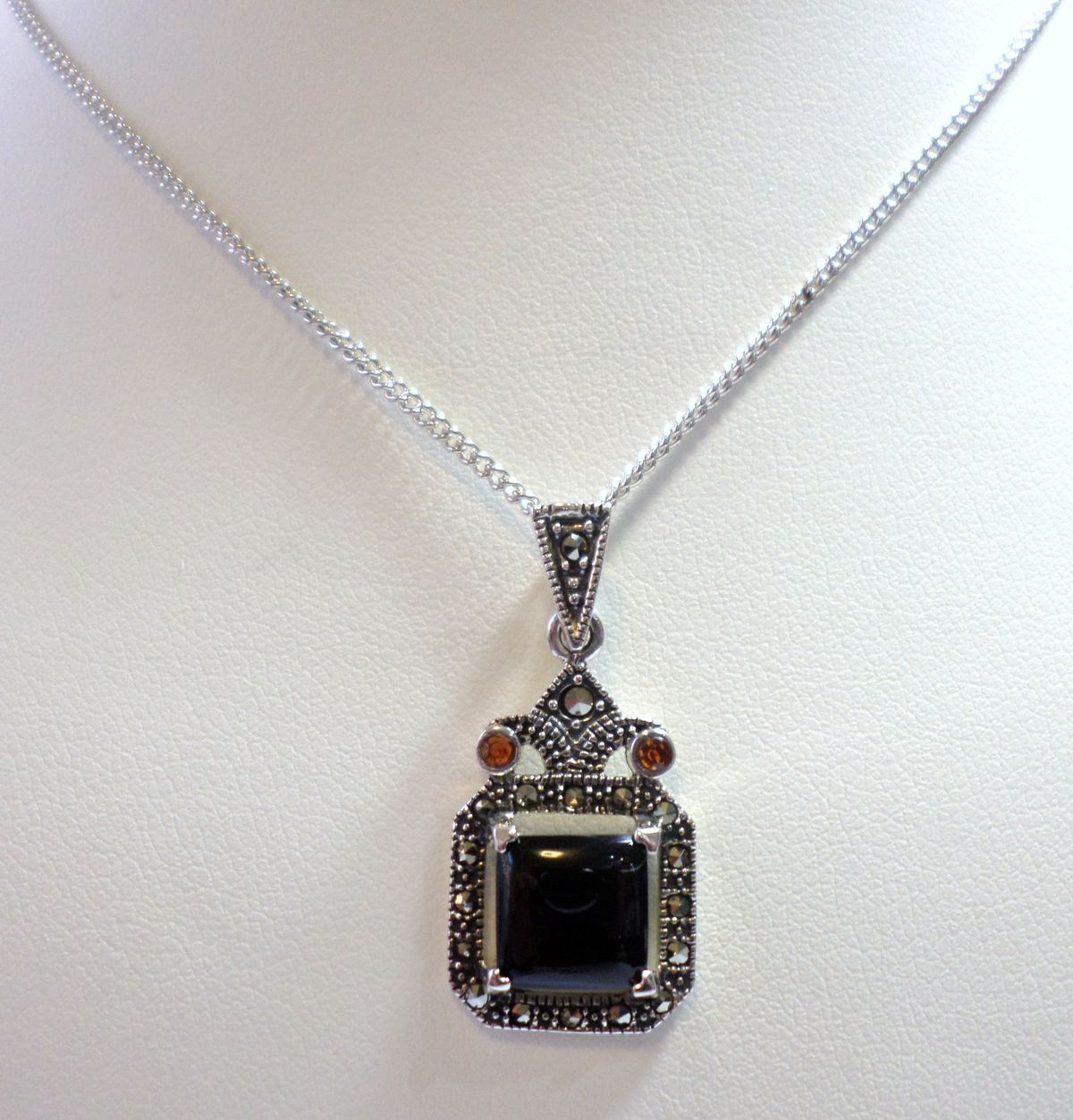
How the Industry Is Becoming More Sustainable
Jewelers and brands are adopting eco-friendly practices to reduce environmental impact.
1. Using Recycled Silver
Many marcasite manufacturers now use recycled sterling silver.
- Reduces reliance on mining
- Lowers carbon footprint
2. Ethical Sourcing
Suppliers are moving toward verified and traceable materials.
- Ensures responsible mining practices
- Protects local ecosystems
3. Eco-Friendly Workshop Practices
Examples:
- Water recycling systems
- Safe chemical disposal
- Reduced use of harsh cleaning agents
4. Energy-Efficient Production
Workshops are adopting:
- Solar power
- Low-energy tools
- LED lighting
5. Sustainable Packaging
Brands are switching to:
- Recycled paper boxes
- Minimalist packaging
- Biodegradable materials
The Role of Artisans in Sustainability
Handmade marquesite jewelry is naturally eco-friendly.
Artisan workshops:
- Produce less waste
- Prioritize craftsmanship over quantity
- Operate with lower energy consumption
Supporting artisans helps sustain both cultural heritage and environmental responsibility.
Consumer Choices and Their Environmental Impact
Consumers have the power to influence sustainability in the jewelry industry.
Eco-conscious buyers can:
- Choose brands using recycled silver
- Buy handmade instead of mass-produced
- Support fair-trade and ethical workshops
- Properly maintain jewelry to extend its lifespan
Small decisions lead to collective environmental change.
The Future of Sustainable Marcasite Jewelry
The industry is expected to grow greener.
Future trends include:
- Blockchain tracking for silver and pyrite sourcing
- Increased certifications for ethical production
- Greater consumer awareness
- Expansion of eco-friendly manufacturing technology
Marcasite jewelry is especially well-suited to sustainability trends due to its low-impact production methods.
Why Sustainability Enhances Marcasite’s Value
Eco-conscious customers value jewelry that aligns with:
- Ethical sourcing
- Responsible craftsmanship
- Long-lasting quality
Marcasite’s durability, repairability, and artisan-focused production make it a naturally sustainable choice.
Conclusion
Marcasite jewelry has a relatively low environmental footprint, especially compared to many gemstones and metals. As the jewelry industry evolves toward eco-conscious standards, marcasite stands out as a sustainable, repairable, and ethically adaptable option. With innovations in recycled silver, responsible sourcing, and artisan-led production, marcasite jewelry is well positioned to thrive in a greener future.
In the next chapter, we explore the future of marcasite jewelry, examining upcoming trends, technology, and how marcasite will adapt in an ever-changing fashion world.