Introduction
Green fashion has evolved from a niche movement into a major force shaping the global fashion industry. Consumers today are increasingly aware of the environmental and social impacts of their purchasing decisions. As a result, many people are seeking products that combine style, quality, sustainability, and ethical responsibility. Within the jewellery industry, jewellery silver has emerged as a leading material that aligns with the values of green fashion and conscious consumerism.
Silver jewellery offers a unique combination of timeless beauty, durability, recyclability, and versatility. These qualities allow consumers to invest in accessories that remain relevant for years while reducing unnecessary waste and supporting responsible consumption. Whether crafted into necklaces, rings, bracelets, earrings, or personalized keepsakes, silver jewellery demonstrates how fashion can be both elegant and environmentally conscious.
As sustainability becomes increasingly important in modern lifestyles, silver jewellery continues to gain recognition as a responsible choice for individuals seeking long-term value and ethical style. This article explores how jewellery silver supports green fashion and why it remains an important part of conscious consumer choices.
Understanding Green Fashion
Green fashion focuses on reducing the environmental impact of clothing and accessories.
Key objectives include:
- Sustainable production
- Resource conservation
- Waste reduction
- Ethical practices
Silver jewellery naturally supports many of these goals.
The Rise of Conscious Consumerism
Modern consumers are increasingly interested in:
- Product origins
- Environmental impact
- Material sustainability
- Ethical production
These concerns have significantly influenced purchasing behavior.
Silver jewellery aligns well with these evolving priorities.
Why Conscious Consumer Choices Matter
Every purchasing decision affects:
- Resource usage
- Manufacturing practices
- Market demand
Consumers who choose sustainable products help encourage more responsible industry standards.
Why Silver Supports Green Fashion
Silver possesses several characteristics that contribute to sustainability.
These include:
- Recyclability
- Durability
- Longevity
- Reusability
Its ability to remain valuable over time makes it particularly attractive for conscious consumers.
The Environmental Advantages of Silver
Silver can be recycled repeatedly without losing its essential qualities.
Benefits include:
- Reduced resource extraction
- Lower material waste
- Greater resource efficiency
These advantages contribute to a more sustainable fashion ecosystem.
Silver Jewellery and Sustainable Consumption
Sustainable consumption emphasizes purchasing fewer, higher-quality products.
Silver jewellery supports this philosophy through:
- Long product lifespans
- Timeless design
- Versatile styling
Its durability reduces the need for frequent replacement.
Timeless Design and Green Fashion
Fashion trends often contribute to overconsumption.
Silver jewellery remains popular because of its:
- Classic elegance
- Lasting appeal
- Broad compatibility
Timeless products encourage responsible ownership.
Silver Necklaces for Sustainable Style
Necklaces remain among the most versatile jewellery categories.
Popular green fashion styles include:
- Fine chains
- Minimalist pendants
- Personalized necklaces
- Artisan-crafted pieces
Silver necklaces complement a wide variety of outfits and occasions.
Silver Rings and Conscious Purchasing
Rings often become everyday accessories.
Popular sustainable designs include:
- Stackable bands
- Minimalist rings
- Signet rings
- Handmade styles
Silver rings provide lasting value while supporting thoughtful consumption.
Silver Bracelets and Responsible Fashion
Bracelets offer opportunities to combine sustainability with style.
Popular options include:
- Bangles
- Chain bracelets
- Engraved cuffs
- Personalized designs
Silver bracelets remain relevant across changing fashion trends.
Silver Earrings and Long-Term Wearability
Earrings frequently become wardrobe essentials.
Popular examples include:
- Stud earrings
- Hoops
- Drop earrings
Silver earrings offer long-term usability and styling flexibility.
Handmade Silver Jewellery
Handcrafted jewellery often reflects sustainable values through:
- Small-scale production
- Quality craftsmanship
- Reduced waste
Artisan silver jewellery remains highly valued among conscious consumers.
Supporting Independent Artisans
Purchasing handmade silver jewellery often benefits:
- Local makers
- Small businesses
- Traditional craftspeople
These social benefits complement environmental sustainability goals.
Recycled Silver Jewellery
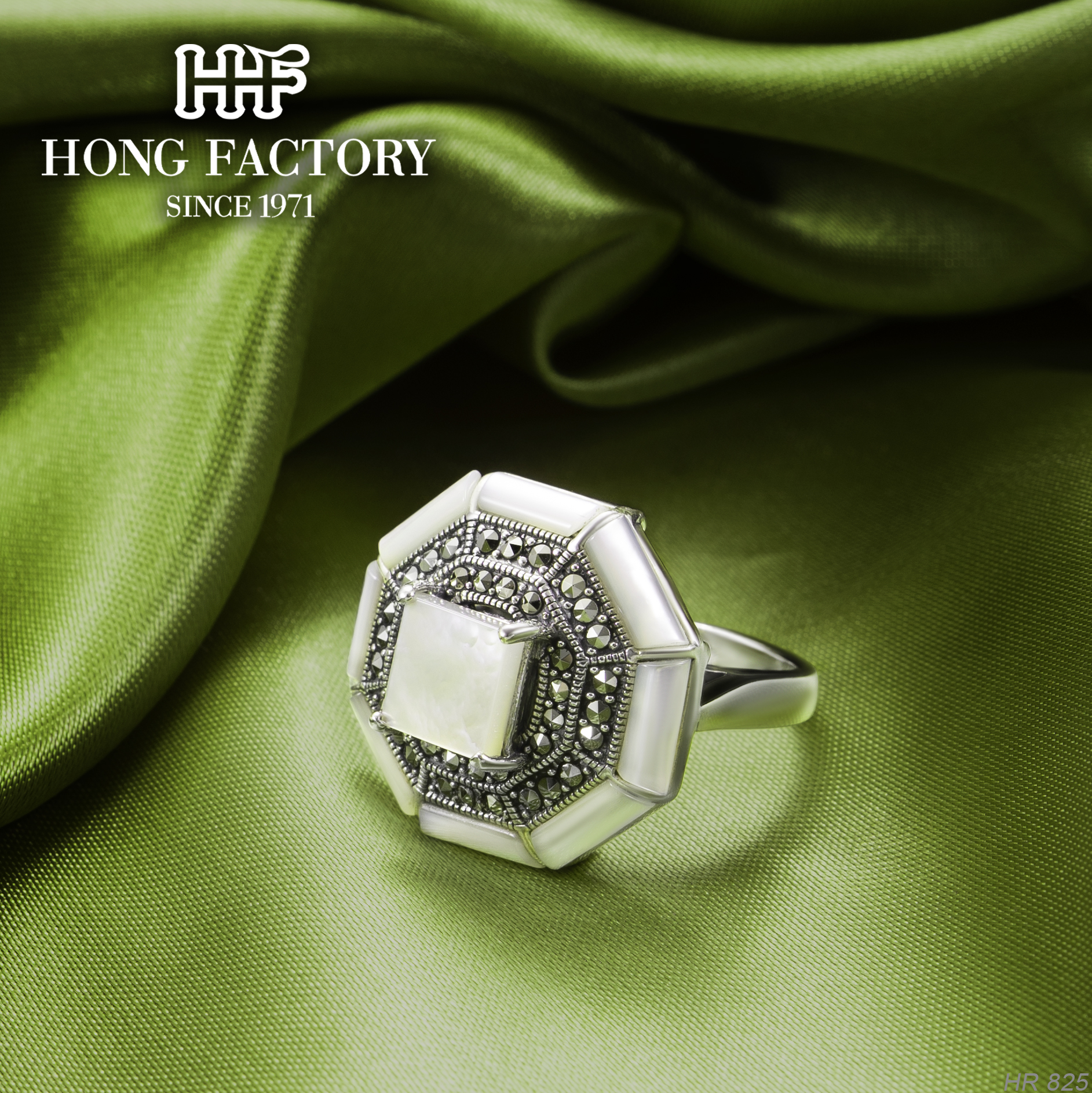
Recycled silver has become increasingly popular within green fashion.
Benefits include:
- Lower environmental impact
- Reduced mining demand
- Resource conservation
Consumers often appreciate both its sustainability and quality.
Silver Jewellery and Circular Fashion
Circular fashion seeks to maximize product lifespan through:
- Reuse
- Repair
- Recycling
Silver jewellery fits naturally within this model because it can be repeatedly repurposed and recycled.
Capsule Wardrobes and Silver Jewellery
Capsule wardrobes focus on:
- Versatility
- Simplicity
- Long-term value
Silver jewellery supports these principles by coordinating easily with multiple outfits.
Minimalist Silver Jewellery Trends
Minimalism remains closely connected to sustainable fashion.
Characteristics include:
- Clean lines
- Simple forms
- Functional design
Silver complements minimalist aesthetics while maintaining sophistication.
Personalized Silver Jewellery
Personalized jewellery often holds greater emotional significance.
Popular options include:
- Engravings
- Initials
- Symbolic motifs
- Important dates
Meaningful pieces are often kept and cherished for longer periods.
Silver Jewellery and Emotional Durability
Sustainability is not only about materials.
Emotional durability refers to products that maintain personal value over time.
Silver jewellery frequently becomes:
- Keepsakes
- Gifts
- Family heirlooms
These connections encourage long-term ownership.
Ethical Production and Silver Jewellery
Many sustainable jewellery brands prioritize:
- Fair labor practices
- Safe working conditions
- Transparent sourcing
These practices support responsible consumer choices.
Sterling Silver and Sustainable Quality
Sterling silver contains 92.5 percent pure silver and offers:
- Strength
- Reliability
- Beauty
- Longevity
Its durability contributes significantly to sustainable ownership.
Caring for Silver Jewellery Responsibly
Proper care extends product lifespan.
Recommended practices include:
- Regular cleaning
- Safe storage
- Gentle polishing
- Prompt repairs
Well-maintained silver jewellery can remain beautiful for generations.
Silver Jewellery and Waste Reduction
Waste reduction is a central goal of green fashion.
Silver supports this objective because it can be:
- Repaired
- Recycled
- Restored
- Repurposed
Its flexibility helps minimize disposal.
Sustainable Packaging and Jewellery
Many environmentally conscious brands now use:
- Recyclable packaging
- Minimal materials
- Reusable storage options
These efforts further strengthen sustainable jewellery initiatives.
Silver Jewellery and Future Fashion Trends
Future fashion trends are expected to emphasize:
- Sustainability
- Transparency
- Longevity
- Ethical sourcing
Silver jewellery aligns naturally with these priorities.
Green Fashion and Luxury
Consumers increasingly expect luxury products to reflect environmental responsibility.
Silver jewellery demonstrates that:
- Sustainability and elegance can coexist
- Quality and ethics can work together
- Responsible fashion can remain stylish
This balance supports the future of conscious luxury.
Silver Jewellery as a Responsible Investment
Conscious consumers often seek products that provide:
- Long-term value
- Timeless appeal
- Environmental responsibility
Silver jewellery fulfills all three objectives effectively.
Its versatility and durability make it a practical and rewarding purchase.
The Role of Consumers in Sustainable Change
Consumer choices influence market trends and industry practices.
By selecting responsibly produced silver jewellery, individuals support:
- Sustainable craftsmanship
- Ethical production
- Resource conservation
These decisions contribute to broader positive change.
Conclusion
Jewellery silver for green fashion and conscious consumer choices offers an exceptional combination of elegance, sustainability, durability, and ethical value. Through necklaces, rings, bracelets, earrings, and personalized designs, silver jewellery enables consumers to express personal style while supporting environmentally responsible practices.
Its recyclability, timeless beauty, and compatibility with sustainable production methods make it one of the most valuable materials in modern jewellery design. As green fashion continues influencing consumer behavior, silver jewellery remains a leading example of how luxury, quality, and environmental responsibility can successfully coexist.
For individuals seeking accessories that reflect both sophistication and conscious values, silver jewellery continues to stand as one of the most compelling and sustainable choices available.