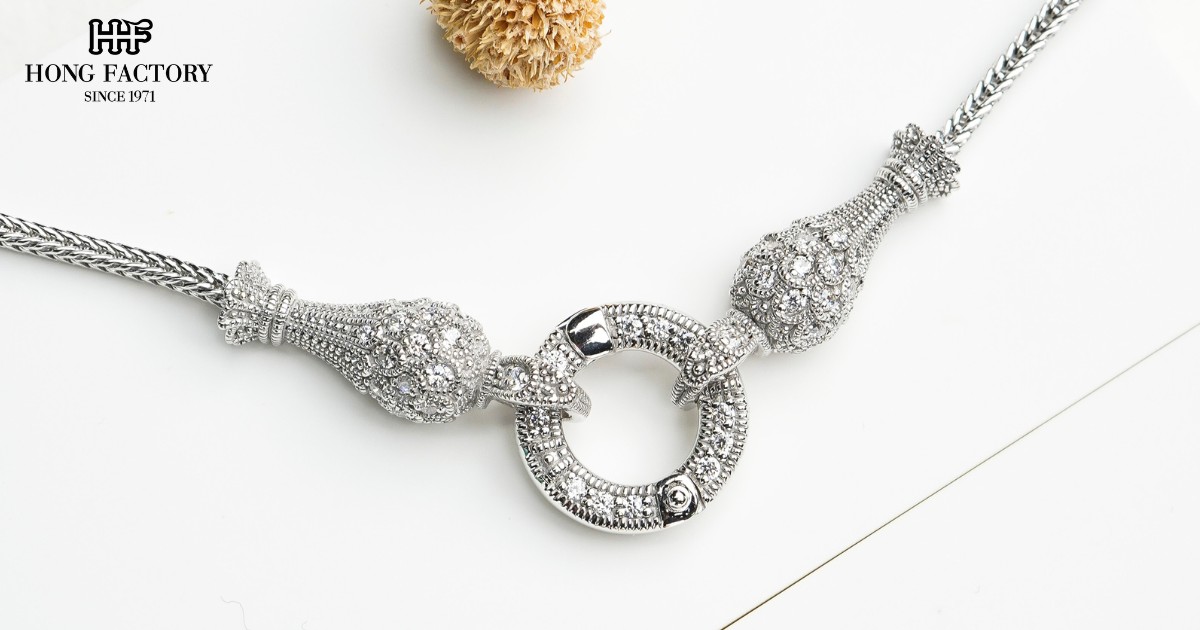
Marcasite jewelry has journeyed across centuries, continents, and cultures, continually evolving while maintaining its unmistakable vintage charm. From ancient civilizations to the Victorian era, from Art Deco glamour to today’s global fashion markets, marcasite has remained a beloved symbol of elegance and artistic craftsmanship. Its shimmering metallic sparkle and compatibility with intricate silverwork have allowed it to thrive across various fashion movements.
This chapter explores the history of marcasite jewelry in global fashion, highlighting its cultural significance, stylistic evolution, and enduring appeal throughout the ages. sterling silver meaning

1. Early History: Origins in Ancient Civilizations
Marcasite has been used in jewelry for thousands of years.
Ancient uses include:
Egyptians
- Incorporated marcasite into amulets and decorative pieces
- Symbolized the sun and divine power
- Often paired with gold and carved motifs
Greeks and Romans
- Used marcasite for adornment and talismans
- Appreciated its reflective shine and symbolic meaning
Incas and Pre-Columbian civilizations
- Used marcasite for ceremonial artifacts
- Believed it held spiritual energy
These early uses reflect marcasite’s long-standing association with beauty, symbolism, and craftsmanship.
2. Medieval Europe: Symbolism and Devotion
During the Middle Ages, marcasite gained popularity as a decorative alternative to diamonds.
Its uses in medieval fashion included:
- Religious symbols such as crosses
- Rosaries and devotional accessories
- Ornamental metalwork in clothing
Its subtle sparkle made it suitable for both nobility and emerging merchant classes.
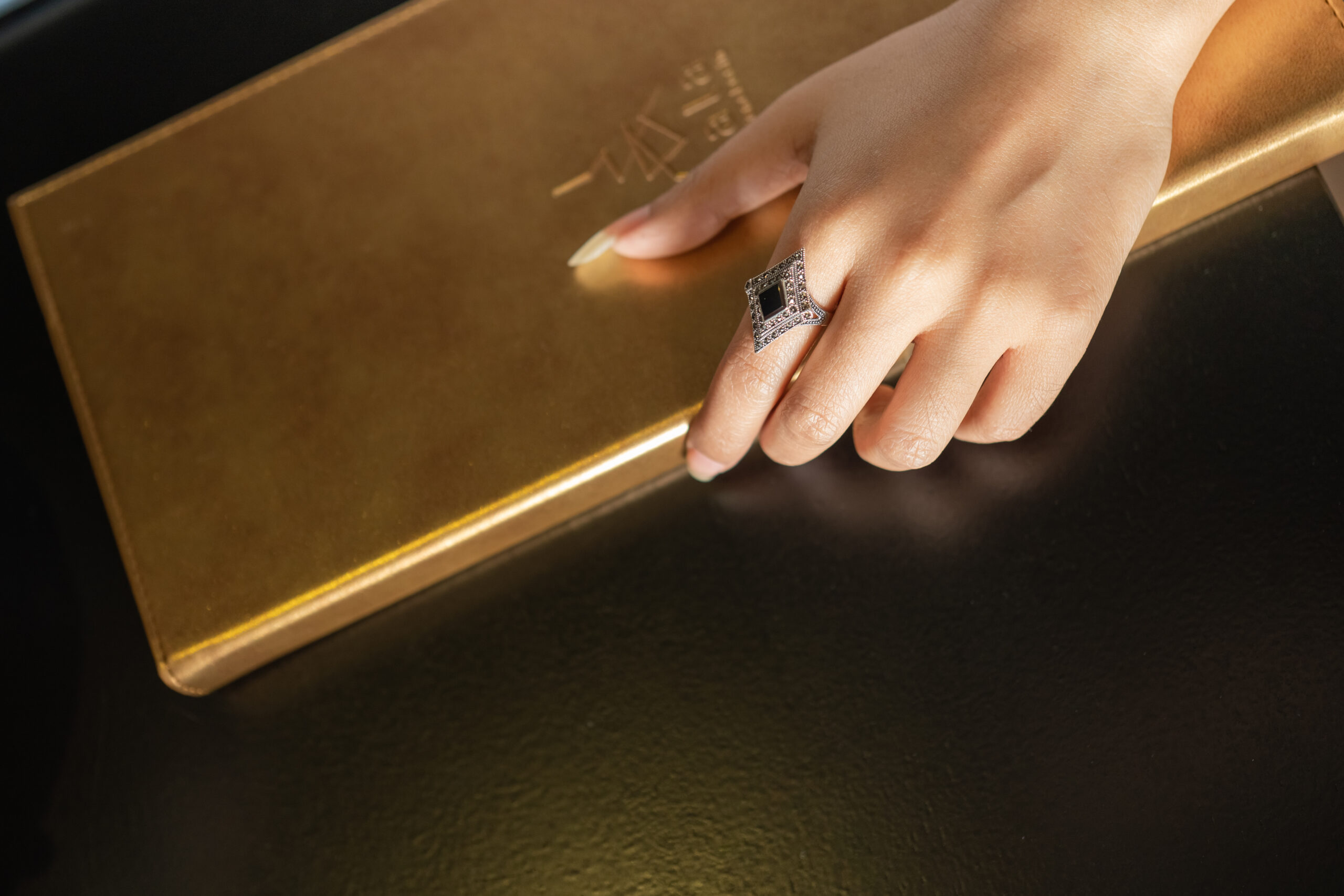
3. Renaissance and Baroque Influence
In the Renaissance era, jewelry became more elaborate.
Marcasite appeared in:
- Filigree silver designs
- Hair accessories
- Brooches with scroll motifs
Marcasite complemented the ornate and expressive fashion of the time.
4. The Georgian Era (1714–1830): Rising Popularity
Georgian fashion emphasized handmade elegance.
Characteristics of Georgian marcasite jewelry:
- Hand-cut stones
- Closed-back silver settings
- Nature-inspired motifs
Georgian pieces are among the most valuable marcasite antiques today.
5. Victorian Era: The Golden Age of Marcasite
Queen Victoria’s influence transformed global fashion.
Why marcasite thrived:
- Diamond restrictions during mourning periods
- Victorian love for symbolic and romantic motifs
Popular Victorian marcasite styles:
- Heart-shaped brooches
- Floral pendants
- Ribbon and bow designs
- Mourning jewelry paired with onyx
Victorian marcasite jewelry remains iconic and highly collectible.
6. Edwardian Era: Stylish Delicacy
Edwardian fashion embraced grace and subtle beauty.
Marcasite jewelry in this era featured:
- Feminine motifs (flowers, lace-inspired patterns)
- Light, airy silverwork
- Pearls combined with marcasite
Edwardian marcasite pieces reflect refined luxury.
7. Art Nouveau: Nature, Emotion, and Flow
The Art Nouveau movement (late 1800s to early 1900s) celebrated organic forms and natural motifs.
Motifs included:
- Butterflies
- Vine patterns
- Dragonflies
- Flowing feminine forms
Marcasite’s soft shine suited this romantic, expressive style perfectly.
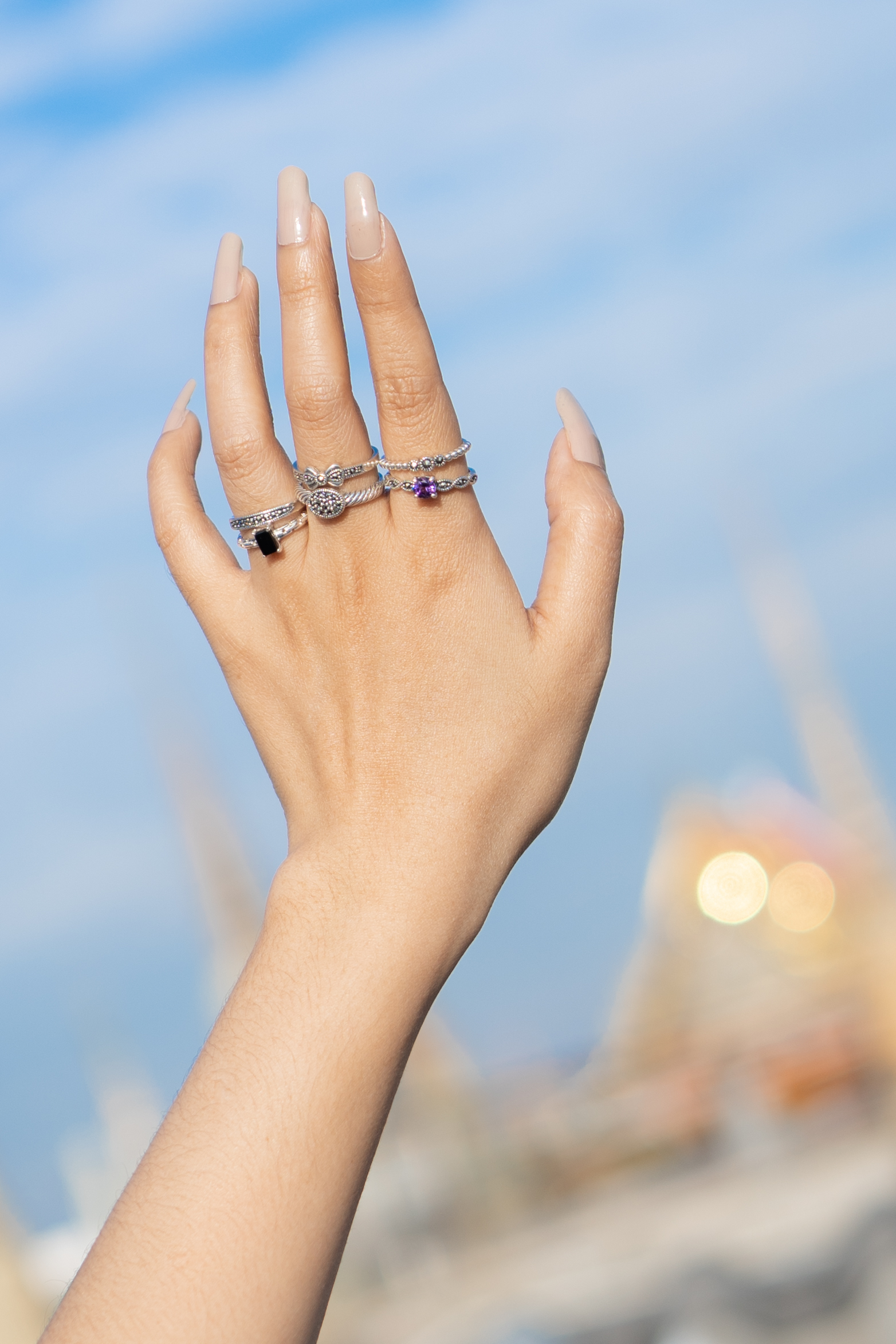
8. Art Deco Era: Bold Geometry and Modernism
Art Deco (1920s–1930s) revolutionized marcasite jewelry.
Signature design features:
Geometric shapes
Triangles, rectangles, and angles.
Black onyx + marcasite contrasts
A hallmark of Deco fashion.
Symmetry and precision
Reflecting the era’s love for modern architecture.
Art Deco marcasite remains one of the most celebrated styles in jewelry history.
9. Mid-20th Century: Quiet Resurgence
After World War II, jewelry styles simplified.
Marcasite returned in:
- Minimalist earrings
- Everyday pendants
- Synthetic gemstone combinations
Its affordability made it popular among post-war consumers.
10. Late 20th Century: Global Expansion
The global jewelry market was booming.
Marcasite became widely produced in:
- Thailand (now the global leader in craftsmanship)
- Germany (famous for stone cutting precision)
- India and Turkey (silverwork craftsmanship)
Marcasite transitioned from niche antique jewelry to a global fashion category.
11. Marcasite in 21st-Century Fashion
Modern fashion embraces both nostalgia and originality.
Marcasite appeals to contemporary buyers because:
- It blends vintage charm with modern minimalism
- It complements various gemstones
- It is affordable luxury
- It carries emotional meaning and symbolism
In the era of fast fashion, marcasite stands out as a timeless choice.
12. Modern Design Trends Shaping Marcasite
Today’s marcasite designers are inspired by:
- Sustainability and handmade craftsmanship
- Retro and Art Deco revivals
- Personalized and symbolic motifs
- Cross-cultural fusion designs
- Gender-neutral jewelry trends
These influences ensure marcasite remains relevant and desirable.
13. Marcasite in Pop Culture and Media
Marcasite jewelry frequently appears in:
- Period dramas
- Vintage-inspired films
- Fashion editorials
- Celebrity red carpet looks
Its cinematic shine reinforces its association with elegance and storytelling.
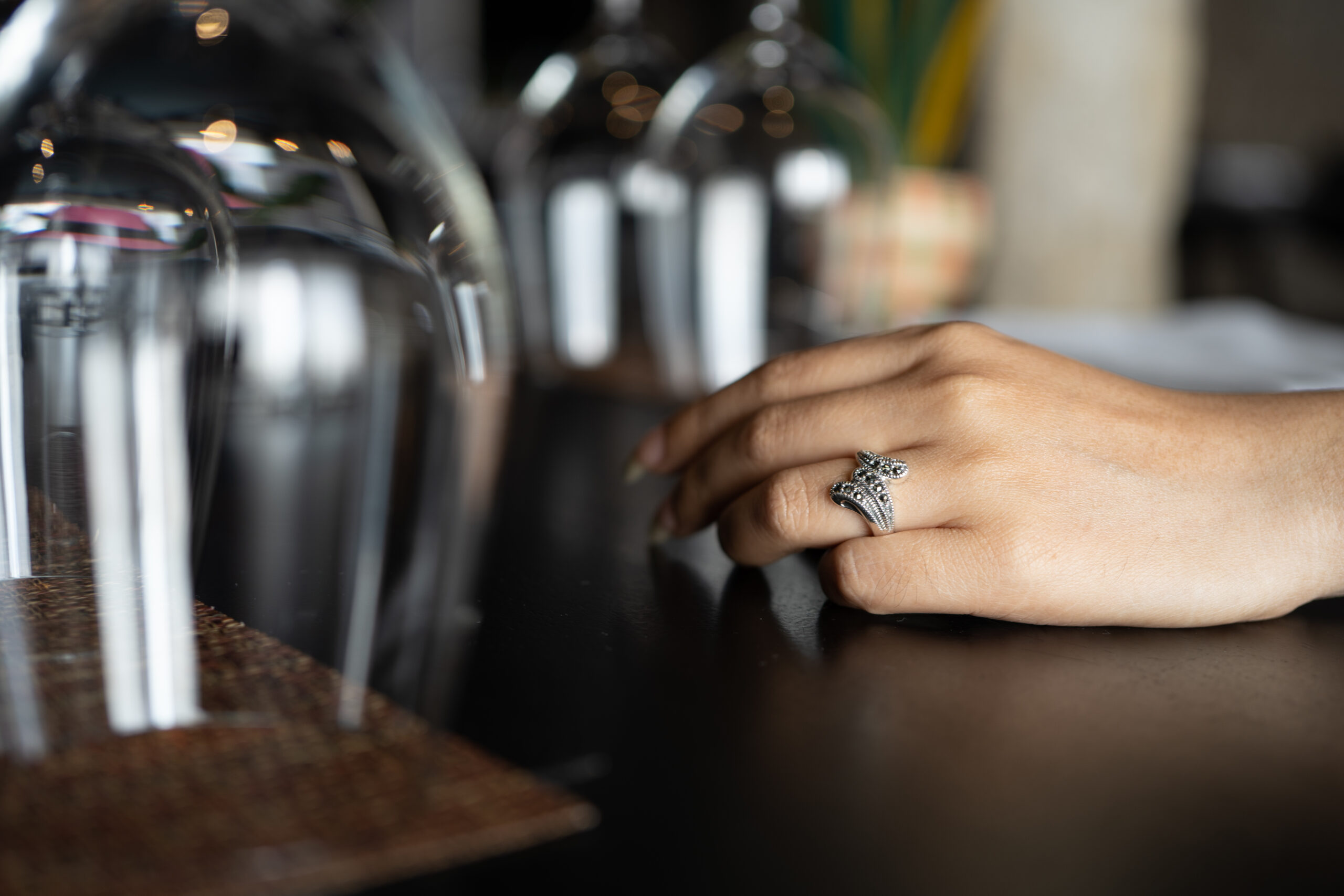
14. Marcasite in Luxury vs. Everyday Fashion
Marcasite appeals to both high-end and accessible markets.
High-end marcasite:
- Features intricate silverwork
- Often paired with pearls or gemstones
- Includes limited editions or artisan-made collections
Everyday marcasite:
- Affordable pendants and rings
- Trend-driven motifs
- Lightweight, comfortable designs
This versatility contributes to its enduring success.
Conclusion
The history of marcasite jewelry is a rich tapestry of cultural evolution, artistic innovation, and timeless beauty. From ancient civilizations to modern runways, marcasite has continually adapted to the changing rhythms of global fashion. Its journey reflects humanity’s love for meaning, craftsmanship, and personal expression.
As marcasite enters the future, its legacy remains rooted in both tradition and innovation—ensuring it shines brilliantly across generations.
In the next chapter, we will explore marcasite jewelry in contemporary pop culture, examining its influence on media, celebrities, and modern fashion aesthetics.