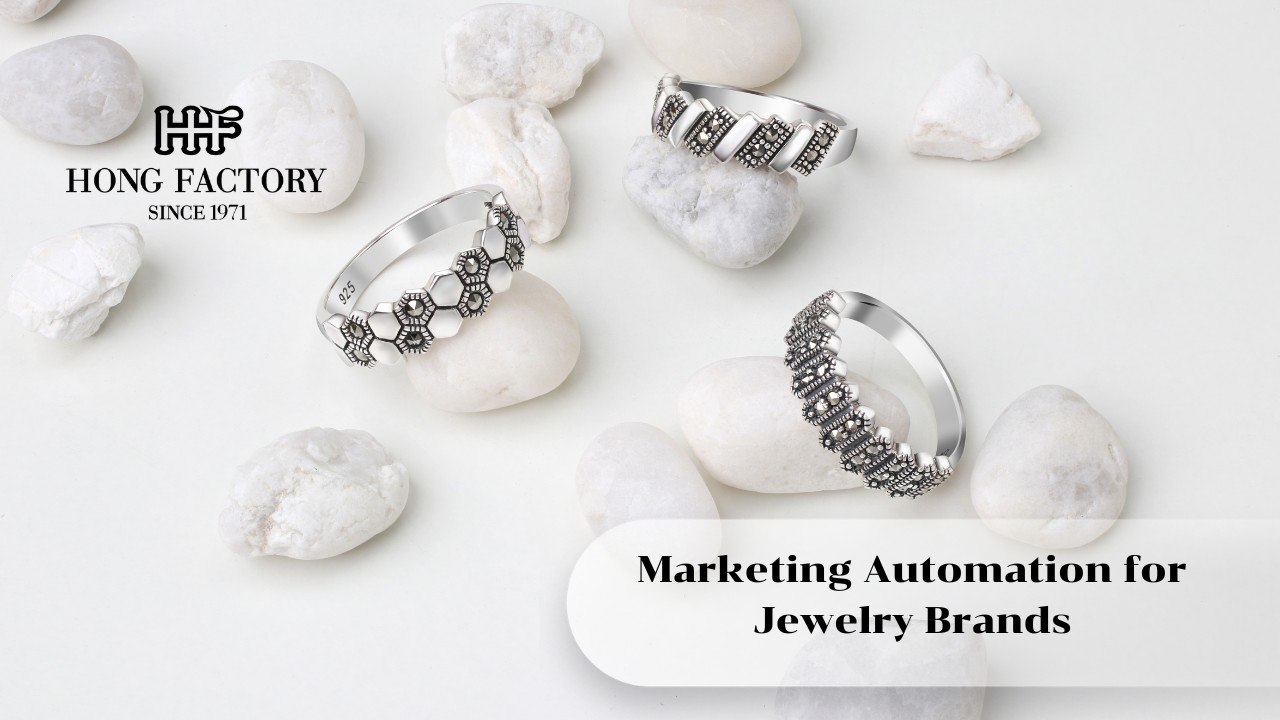
Marketing automation allows jewelry brands to deliver consistent, personalized, and timely communication at scale. In the marcasite jewelry niche—where trust, education, and long consideration cycles are common—a well-designed marketing automation strategy for jewelry brands supports relationship-building without overwhelming customers. When implemented correctly, automation improves efficiency while preserving brand elegance and credibility.
This article explains how marcasite jewelry brands can design, implement, and optimize marketing automation systems that support growth across e-commerce, wholesale, and branding channels. marcasite stone
Why Marketing Automation Matters for Jewelry Brands
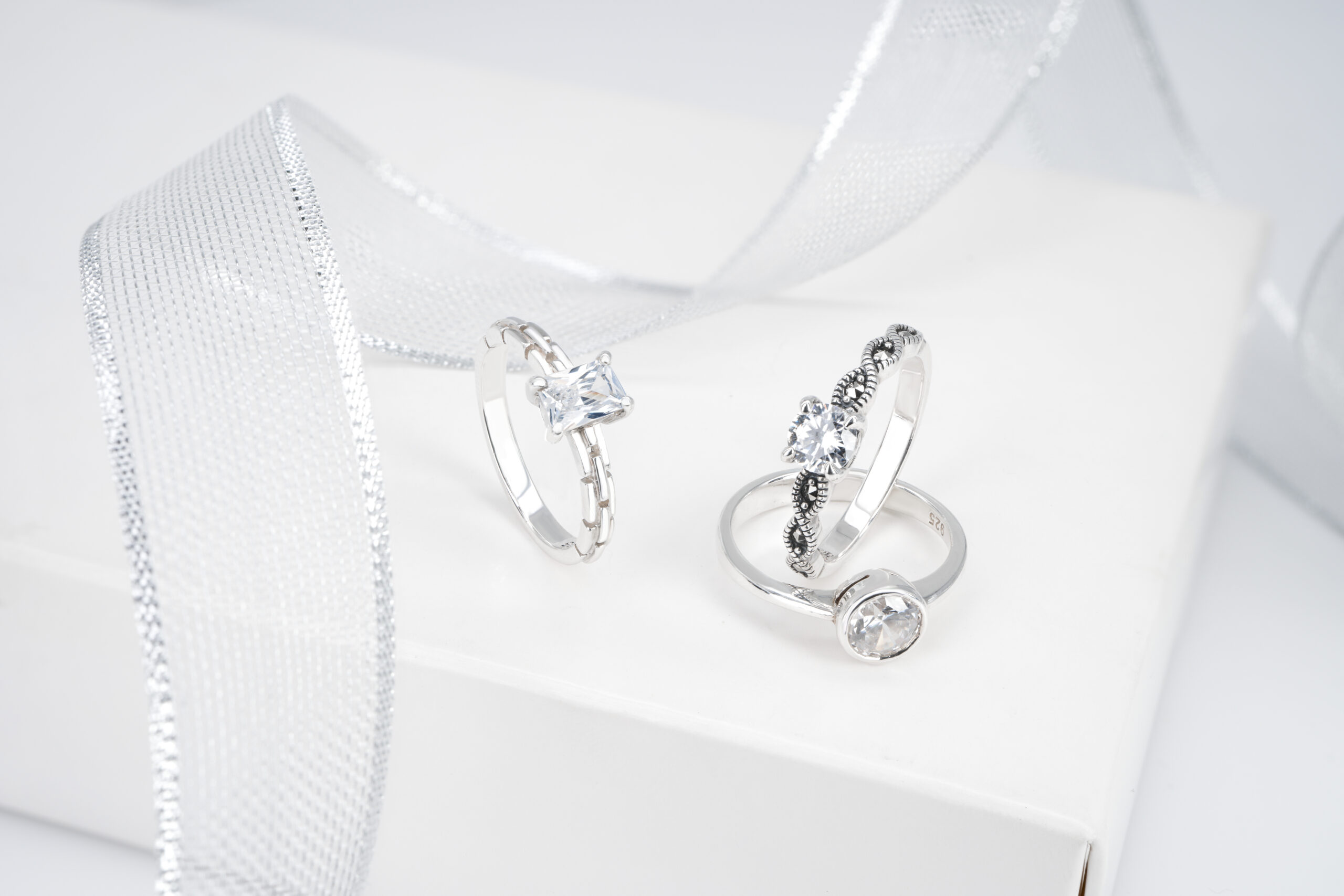
Automation supports consistency and scale.
Key Benefits of Marketing Automation
- Personalized communication at scale
- Improved conversion and retention rates
- Reduced manual marketing workload
- Better alignment across channels
For jewelry brands, automation enhances—not replaces—human connection.
Understanding the Jewelry Customer Lifecycle
Lifecycle awareness guides automation.
Core Lifecycle Stages
- Discovery and first interaction
- Education and consideration
- Purchase and onboarding
- Retention and advocacy
Automation should support each stage appropriately.
Core Marketing Automation Channels for Jewelry Brands
Automation spans multiple touchpoints.
Common Automation Channels
- Email marketing
- SMS and messaging (used selectively)
- On-site personalization
- Paid media retargeting triggers
Integrated channels improve customer experience.
Building Automated Welcome Journeys
First impressions set expectations.
Welcome Automation Best Practices
- Introduce brand story and craftsmanship
- Highlight best-selling or signature pieces
- Educate about care and authenticity
A strong welcome sequence builds early trust.
Automated Product Education and Nurture Flows
Education reduces hesitation.
Nurture Flow Content Ideas
- Material and craftsmanship guides
- Styling inspiration and use cases
- Social proof and testimonials
Educational automation supports confident buying.
Abandoned Browse and Cart Automation
Gentle reminders drive recovery.
Recovery Automation Best Practices
- Triggered based on behavior, not time alone
- Reassurance-focused messaging
- Clear visuals and minimal urgency
Helpful reminders outperform pressure tactics.
Post-Purchase Automation for Jewelry Brands
Post-purchase experience builds loyalty.
Post-Purchase Automation Elements
- Order confirmation and reassurance
- Care and maintenance education
- Cross-sell or complementary suggestions
Strong post-purchase flows increase lifetime value.
Retention and Loyalty Automation
Retention is more profitable than acquisition.
Retention Automation Strategies
- Anniversary or milestone emails
- Early access to new collections
- Personalized recommendations
Automation strengthens long-term relationships.
Marketing Automation for Wholesale and B2B Jewelry
B2B automation requires professionalism.
B2B Automation Use Cases
- Lead nurturing for inquiries
- Educational sequences for partners
- Follow-ups after trade events
Clear communication builds partnership trust.
Data and Segmentation in Automation
Segmentation improves relevance.
Useful Automation Segments
- Browsing behavior
- Purchase history
- Engagement level
- Retail vs wholesale intent
Segmentation prevents generic messaging.
Automation Timing and Frequency Management
Timing shapes perception.
Frequency Best Practices
- Avoid overlapping messages
- Adjust cadence by lifecycle stage
- Respect customer preferences
Balanced timing protects brand image.
Integrating Automation with Paid Media and SEO

Automation supports multi-channel strategy.
Integration Opportunities
- Sync retargeting audiences automatically
- Support content distribution
- Reinforce SEO-driven education
Integration improves consistency.
Measuring Marketing Automation Performance
Measurement drives optimization.
Key Automation Metrics
- Open and click-through rates
- Conversion and recovery rates
- Customer lifetime value
Metrics reveal system effectiveness.
A/B Testing in Marketing Automation
Testing refines performance.
Automation Testing Best Practices
- Test subject lines and timing
- Compare content sequences
- Optimize calls-to-action
Testing improves efficiency over time.
Avoiding Common Marketing Automation Mistakes
Mistakes reduce trust.
Mistakes to Avoid
- Over-automation and message overload
- Poor segmentation
- Inconsistent branding across messages
Thoughtful automation protects credibility.
Aligning Automation with Brand Identity
Automation reflects brand values.
Brand Alignment Practices
- Maintain refined tone and visuals
- Emphasize craftsmanship and trust
- Avoid aggressive promotional automation
Alignment preserves long-term equity.
Scaling Marketing Automation Over Time
Growth requires systems.
Scaling Strategies
- Document automation workflows
- Expand based on performance data
- Integrate new channels gradually
Systems support sustainable growth.
Long-Term Value of Marketing Automation for Jewelry Brands
Automation compounds results.
Strategic Benefits
- Improved customer experience
- Higher conversion efficiency
- Stronger brand loyalty
Automation becomes a growth foundation.
Conclusion
A strategic marketing automation approach for jewelry brands enables marcasite jewelry businesses to nurture relationships, educate buyers, and support conversions at scale without sacrificing brand trust. By aligning automation with the customer lifecycle, focusing on relevance and timing, and maintaining consistent brand identity, brands can turn automation into a powerful long-term growth engine. In a trust-driven industry, automation succeeds when it feels thoughtful, personal, and aligned with brand values.