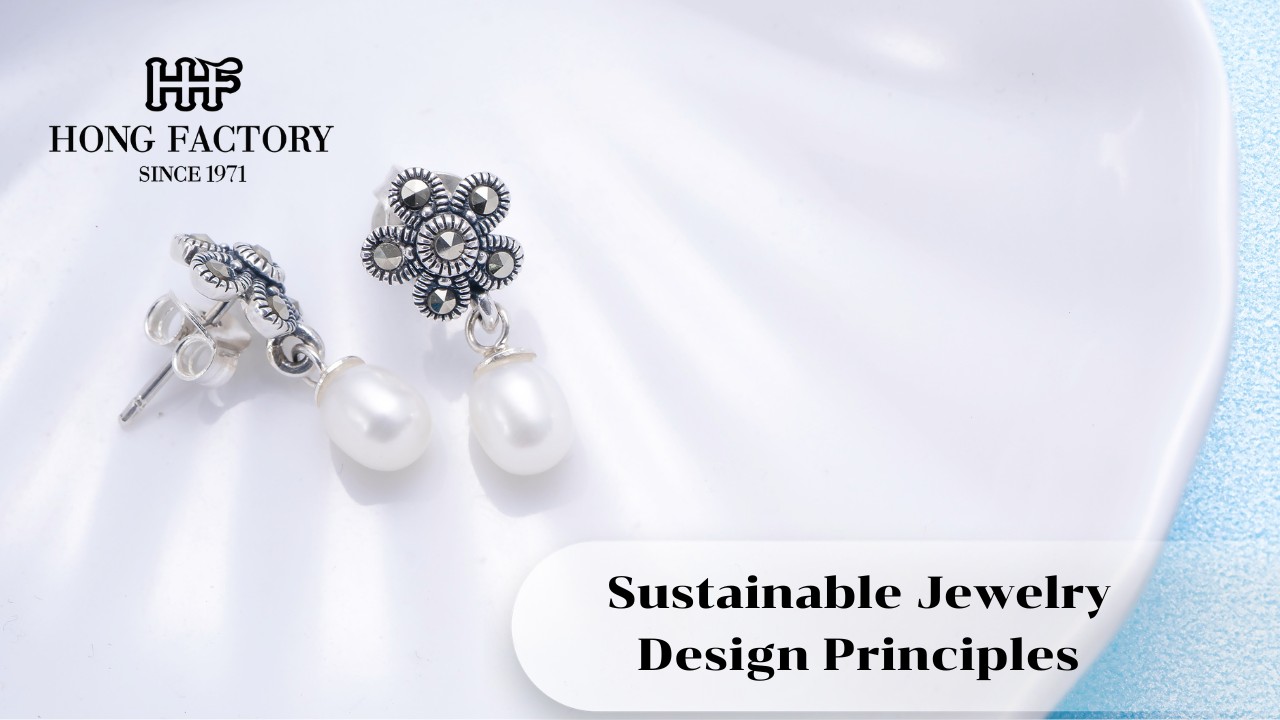
Sustainable jewelry design is no longer a niche concept—it is a core expectation among modern consumers. For silver and marcasite jewelry brands, sustainability is not only about materials but also about design choices, production practices, longevity, and responsible storytelling. Applying clear sustainable jewelry design principles allows brands to reduce environmental impact while strengthening trust, value, and long-term relevance.
This article outlines the essential principles of sustainable jewelry design and how brands can apply them practically without compromising aesthetics or commercial viability. marcasite stone
Why Sustainability Matters in Jewelry Design
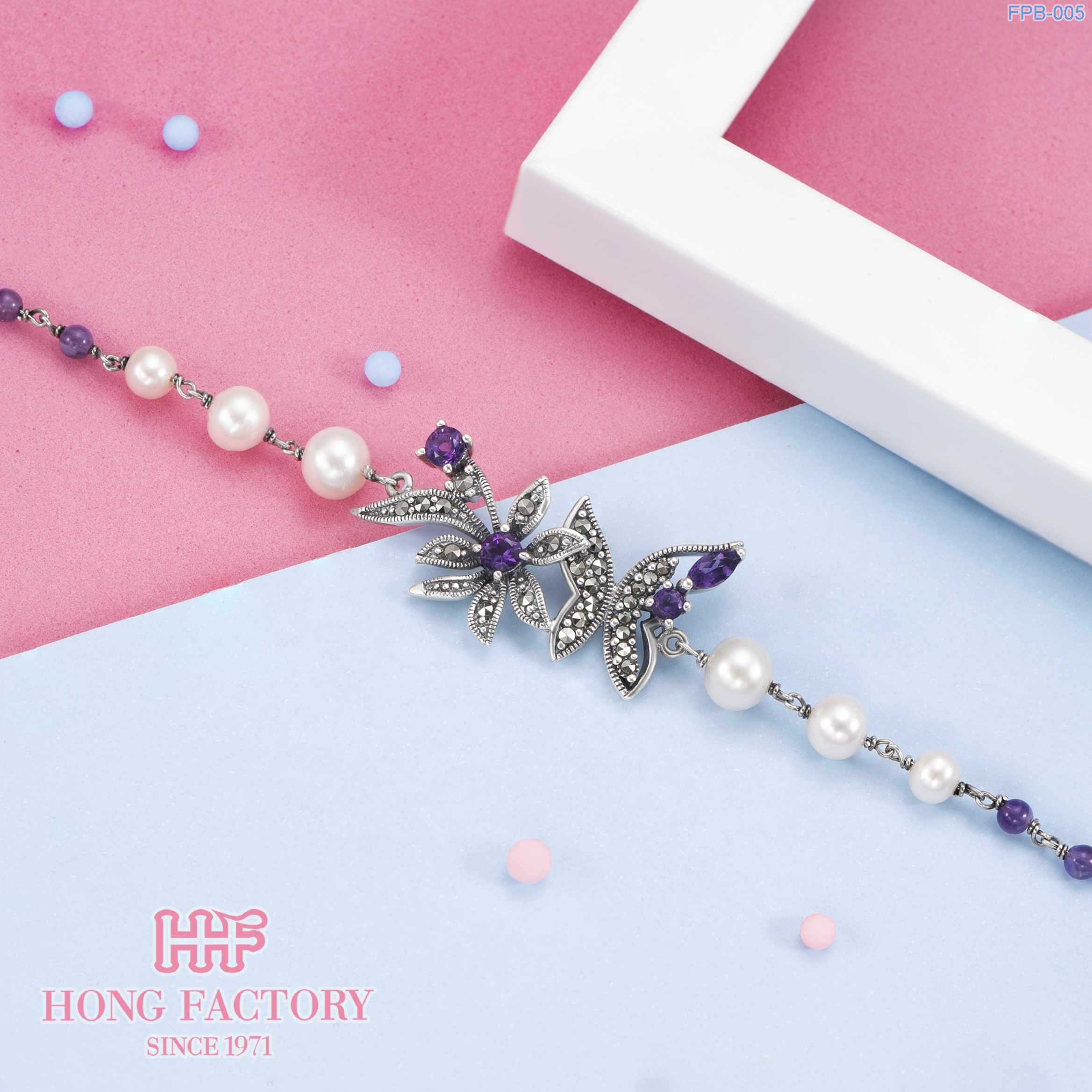
Sustainability influences purchasing decisions.
Today’s customers increasingly value brands that demonstrate responsibility and transparency. Sustainable design helps jewelry brands:
- Build long-term trust and credibility
- Reduce waste and environmental impact
- Align with ethical and social values
- Strengthen brand differentiation
For silver and marcasite brands, sustainability complements craftsmanship and timeless design.
Principle 1: Design for Longevity
Longevity is the foundation of sustainability.
Timeless Design Over Trends
Sustainable jewelry avoids short-lived trends. Instead, it focuses on:
- Classic shapes and proportions
- Balanced, wearable silhouettes
- Neutral and versatile aesthetics
Jewelry designed to be worn for years naturally reduces consumption and waste.
Emotional Durability
Designs that carry emotional meaning—symbols, stories, or personal significance—are kept longer and valued more deeply.
Principle 2: Responsible Material Selection
Materials define environmental impact.
Sterling Silver as a Sustainable Choice
Sterling silver is relatively sustainable because it:
- Is recyclable and reusable
- Has a long lifespan
- Can be refined and restored
Using recycled or responsibly sourced silver further reduces impact.
Thoughtful Use of Marcasite
Marcasite supports sustainability when:
- Used efficiently without excess
- Securely set to ensure durability
- Integrated into designs meant for long-term wear
Quality settings prevent premature disposal.
Principle 3: Reduce Material Waste Through Smart Design
Efficiency supports sustainability.
Designers can reduce waste by:
- Optimizing metal thickness and structure
- Avoiding unnecessary bulk
- Designing modular or repeatable components
Smart design lowers material usage without sacrificing strength or beauty.
Principle 4: Prioritize Craftsmanship and Quality
Quality reduces replacement.
Craftsmanship as a Sustainability Tool
Well-crafted jewelry:
- Lasts longer
- Requires fewer repairs
- Maintains appearance over time
Strong settings, clean finishing, and precise construction are essential.
Principle 5: Ethical Production Practices
Sustainability includes people.
Ethical Design Considerations
Brands should ensure:
- Fair labor conditions
- Safe working environments
- Respect for artisan skills
Ethical treatment of makers strengthens brand integrity.
Principle 6: Comfort and Wearability
Jewelry must be wearable to be sustainable.
Designs that are uncomfortable or impractical are rarely worn. Sustainable jewelry prioritizes:
- Lightweight construction
- Smooth edges and balanced weight
- Secure clasps and settings
Comfort increases frequency of use.
Principle 7: Versatility and Multi-Use Design
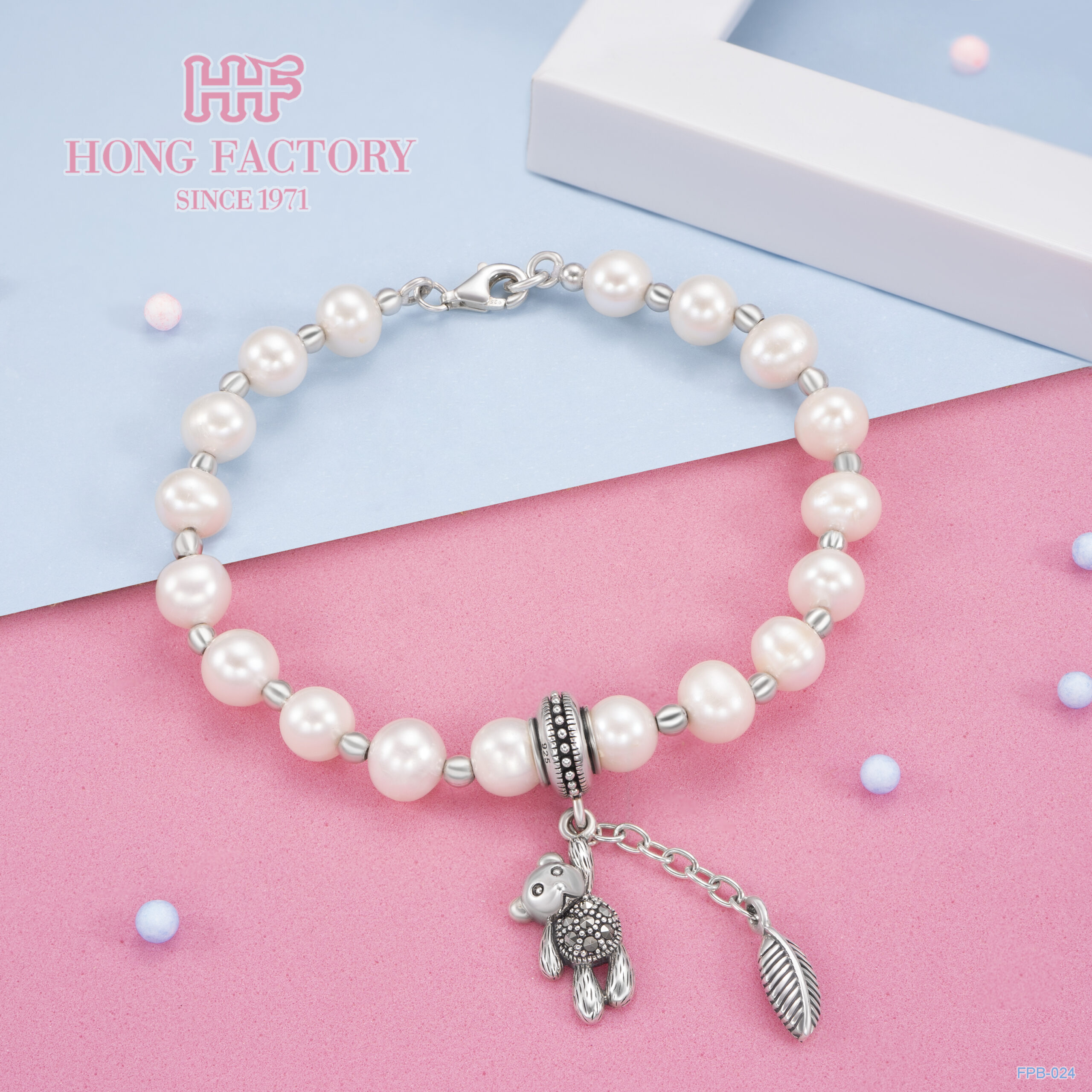
Versatility reduces excess consumption.
Sustainable designs often:
- Work for multiple occasions
- Layer easily with other pieces
- Adapt to different styles
Versatile jewelry replaces the need for multiple single-use items.
Principle 8: Minimalist Design as a Sustainable Approach
Less can be more responsible.
Minimalist jewelry:
- Uses fewer materials
- Avoids unnecessary decoration
- Ages gracefully over time
This approach aligns strongly with sustainability goals.
Principle 9: Responsible Packaging Design
Sustainability extends beyond the product.
Eco-Conscious Packaging Choices
Brands can reduce impact by:
- Using recyclable or reusable packaging
- Minimizing excess materials
- Choosing neutral, long-lasting designs
Packaging should protect without waste.
Principle 10: Transparent Sustainability Communication
Honesty builds trust.
Sustainable design must be communicated clearly:
- Share real practices, not vague claims
- Avoid exaggeration or greenwashing
- Educate customers on care and longevity
Transparency reinforces credibility.
Applying Sustainable Design Without Raising Costs Excessively
Sustainability can be strategic.
Brands can:
- Focus on design longevity rather than new materials
- Improve efficiency instead of adding complexity
- Invest in quality rather than quantity
Thoughtful choices often reduce costs over time.
Sustainable Jewelry Design for Wholesale and Retail
Retailers value responsible brands.
Wholesale buyers increasingly prefer jewelry that:
- Has clear sustainability positioning
- Offers long-term sell-through
- Aligns with consumer values
Sustainable design supports stronger partnerships.
Avoiding Common Sustainable Design Mistakes
Good intentions need execution.
Mistakes to Avoid
- Overcomplicating designs in the name of sustainability
- Using sustainability as a marketing label only
- Ignoring durability and wearability
True sustainability starts with design fundamentals.
Measuring the Impact of Sustainable Design
Measurement guides improvement.
Brands can track:
- Product lifespan and repair rates
- Customer feedback and retention
- Material efficiency and waste reduction
Data supports continuous improvement.
Long-Term Value of Sustainable Jewelry Design
Sustainability builds resilience.
Brands that adopt sustainable design principles:
- Earn customer trust
- Reduce long-term operational risk
- Strengthen brand longevity
Sustainable design is a long-term investment.
Conclusion
Sustainable jewelry design principles focus on longevity, responsibility, craftsmanship, and thoughtful use of materials. For silver and marcasite jewelry brands, sustainability begins at the design stage—through timeless aesthetics, durable construction, ethical practices, and honest communication. When sustainability is integrated into design rather than added as a label, it becomes a natural extension of quality, value, and brand integrity.