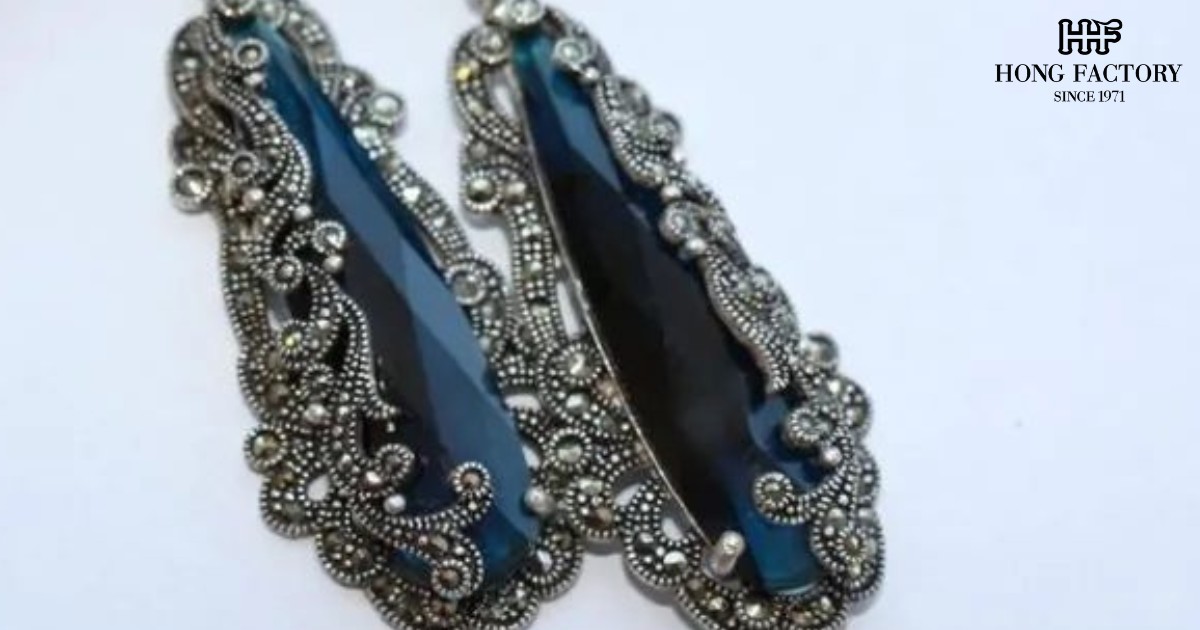
Wholesale and B2B channels play a vital role in the long-term success of marcasite jewelry brands. While direct-to-consumer sales help build brand identity, B2B partnerships enable scale, market penetration, and consistent revenue. For marcasite jewelry—where craftsmanship, quality control, and storytelling are essential—effective wholesale strategies must balance volume with brand integrity.
This chapter explores wholesale and B2B strategies for marcasite jewelry, focusing on partnership models, pricing structures, operational readiness, and long-term relationship building. sterling silver meaning
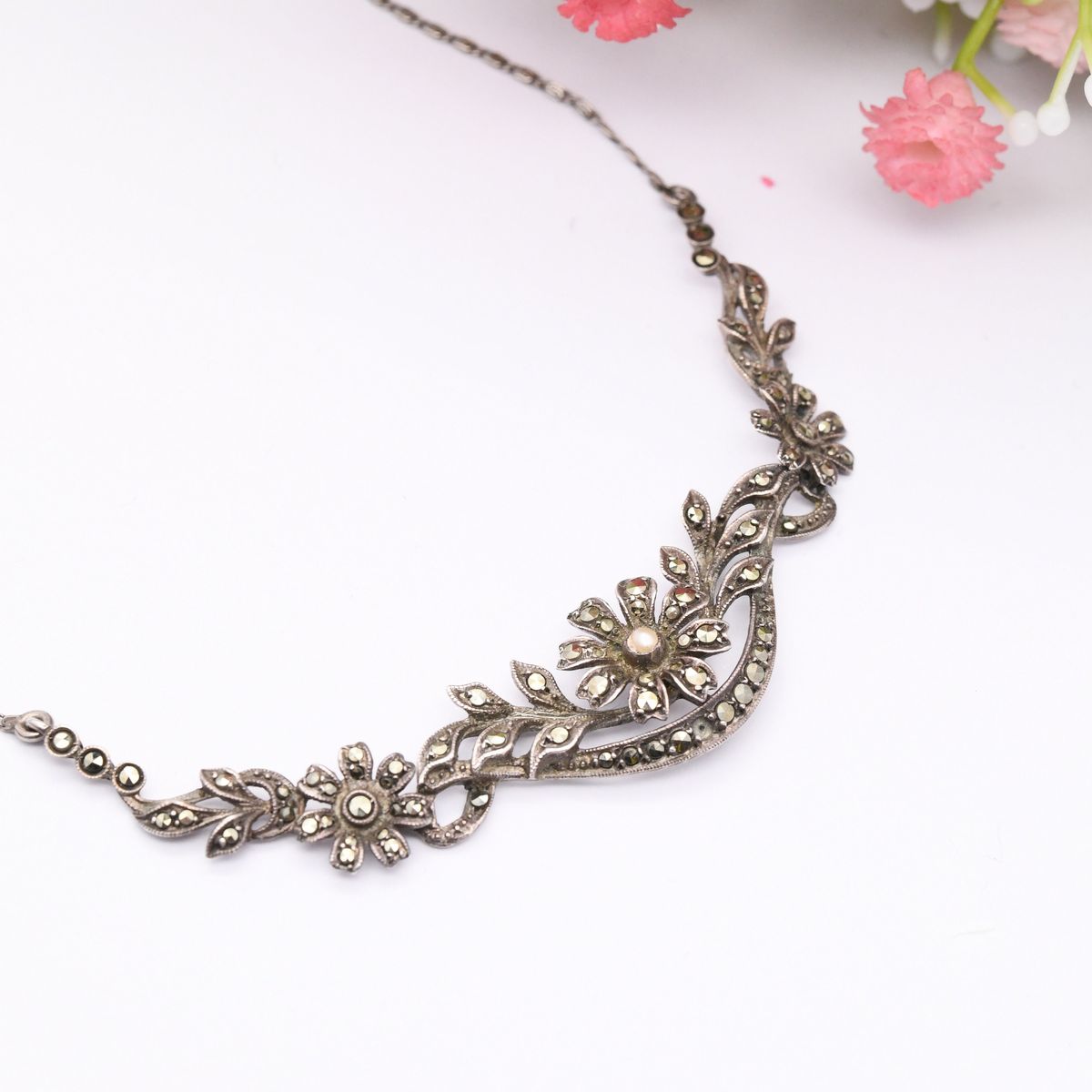
The Role of Wholesale in the Marcasite Jewelry Industry
Wholesale distribution allows marcasite brands to reach wider audiences through trusted intermediaries.
Benefits of B2B and wholesale channels:
- Expanded market reach
- Stable order volumes
- Lower customer acquisition costs
- Brand presence in curated retail environments
- Opportunities for international expansion
For artisanal jewelry, wholesale provides scale without sacrificing craftsmanship.
1. Understanding B2B Buyer Profiles
Successful wholesale begins with understanding buyers.
Common B2B customer types:
- Independent jewelry boutiques
- Museum and gallery shops
- Department store jewelry sections
- Online retailers and marketplaces
- Corporate gift suppliers
Each buyer segment has different expectations regarding pricing, volume, and exclusivity.
2. Positioning Marcasite Jewelry for Wholesale
Clear positioning helps buyers understand value.
Wholesale positioning should emphasize:
- Handcrafted quality
- Sterling silver (925) authenticity
- Unique design identity
- Consistent supply and quality control
Strong positioning builds buyer confidence.
3. Wholesale Pricing and Margin Structure
Pricing must support both brand and retailer profitability.
Key pricing considerations:
- Cost of materials and labor
- Minimum order quantities (MOQs)
- Wholesale vs. retail price ratios
- Volume-based discounts
Transparent pricing builds trust with partners.
4. Product Assortment Strategy for B2B
Not all products suit wholesale equally.
Effective B2B assortments include:
- Best-selling core designs
- Timeless, seasonless pieces
- Modular collections with multiple SKUs
- Excluding highly customized or limited items
Balanced assortments reduce risk for retailers.
5. Customization and Private Label Opportunities
Customization can strengthen B2B relationships.
Popular B2B customization options:
- Exclusive designs for specific retailers
- Private label branding
- Customized packaging or branding inserts
- Regional design adaptations
Exclusivity increases partner loyalty.
6. Trade Shows and B2B Marketplaces
Trade events remain powerful B2B tools.
Key B2B platforms include:
- International jewelry trade fairs
- Regional wholesale exhibitions
- B2B online marketplaces
These venues help brands connect with qualified buyers efficiently.
7. Building Long-Term Wholesale Relationships
Wholesale success depends on relationships, not just orders.
Relationship-building strategies:
- Consistent communication
- Reliable delivery schedules
- Transparent inventory planning
- Proactive problem-solving
Strong relationships lead to repeat orders.
8. Operational Readiness for Wholesale Scale
Operational strength supports growth.
Wholesale readiness includes:
- Scalable production capacity
- Quality control systems
- Efficient order fulfillment
- Inventory management
Operational reliability builds retailer trust.
9. Logistics and International Shipping for B2B
B2B logistics require precision.
Important considerations:
- Secure packaging for marcasite stones
- Accurate export documentation
- Reliable shipping partners
- Clear delivery timelines
Efficient logistics reduce friction.
10. Protecting Brand Value in Wholesale Channels
Wholesale expansion must not dilute brand equity.
Brand protection strategies:
- Minimum advertised price (MAP) policies
- Selective distribution
- Clear brand guidelines for retailers
- Monitoring resale platforms
Control preserves brand perception.
11. Digital Tools for B2B Sales
Technology improves B2B efficiency.
Useful B2B tools:
- Online wholesale portals
- Digital catalogs
- CRM systems for buyer management
- Automated reordering systems
Digital tools streamline operations.
12. Managing International B2B Partnerships
Global wholesale requires cultural awareness.
Best practices:
- Local market research
- Flexible communication styles
- Understanding regional business norms
Cultural sensitivity strengthens partnerships.
13. Risk Management in Wholesale Operations
Wholesale carries risks.
Common risks include:
- Overproduction
- Payment delays
- Market saturation
Clear contracts and planning mitigate risks.
14. Sustainability in B2B Strategies
Ethical practices matter to B2B buyers.
Sustainable B2B advantages:
- Alignment with retailer values
- Increased trust
- Stronger long-term partnerships
Sustainability enhances competitiveness.
15. The Future of Wholesale for Marcasite Jewelry
B2B models continue to evolve.
Future trends include:
- Hybrid wholesale-direct models
- Smaller, more frequent orders
- Data-driven assortment planning
Adaptability ensures continued relevance.
Conclusion
Wholesale and B2B strategies are essential for scaling marcasite jewelry brands while preserving craftsmanship and identity. By focusing on strong partnerships, transparent pricing, operational excellence, and brand protection, marcasite brands can achieve sustainable growth across domestic and international markets. When executed thoughtfully, wholesale becomes not just a sales channel, but a strategic engine for long-term success.